Rajasthan Royals vs Gujarat Titans at Sawai Mansingh: 12-Point Playoff Race Sets Up the 9 May Jaipur Fixture
Rajasthan Royals host Gujarat Titans at Sawai Mansingh Stadium in Jaipur on Saturday, 9 May 2026, with both sides level on 12 points from 10 matches and separated only by net run rate in a top-four race the league table had compressed to a single game.
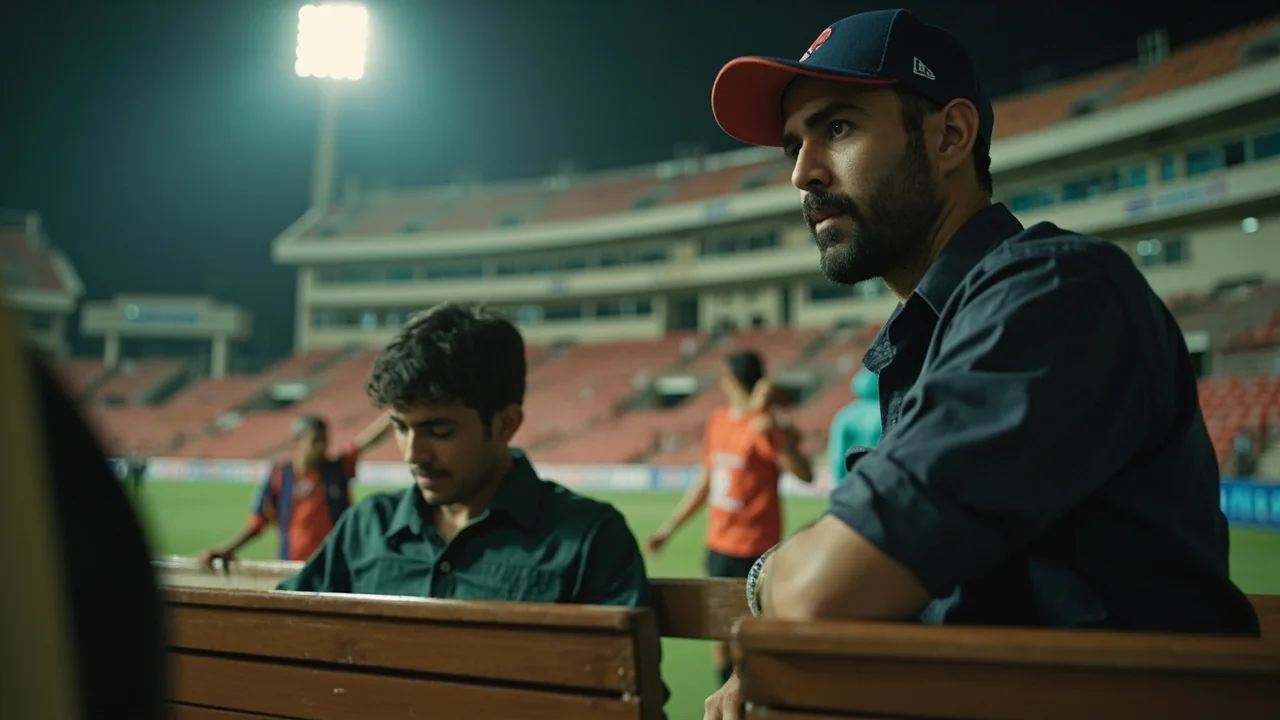
The 8 May 2026 pre-match read of the IPL 2026 table set up Saturday as a head-to-head between two franchises running in lockstep. Rajasthan Royals sat fourth, Gujarat Titans fifth, both on 12 points from 10 games, both on six wins and four losses. The Sporting News India pre-match briefing that fed this fixture’s preview carried the full predicted XIs, the Sawai Mansingh venue numbers, the toss conditions note and the broadcast detail, and that dossier is the ceiling for every factual claim in this piece.
With four league matches left for each side after this game, the result had direct weight on the top-four cutoff. A win for either side opened a two-point gap over the other and pushed the loser to the edge of the playoff qualifying line. A wash-out held the table where it was. With net run rate the only separator between the two, even a defended total of 12 would be read against the comparative scoring rates that come in over the closing weeks.
First ball was scheduled for 7:30 PM IST, with the match broadcast on JioHotstar and the Star Sports Network. The toss sat 30 minutes before the first ball. Jaipur’s early-May evening read was hot, dry and dew-light, with the typical Sawai Mansingh shift toward chasing rather than batting first under lights.
How a 12-point tie turns one fixture into a top-four swing
Ten matches in, both RR and GT had cleared the slow-burn phase of the league and entered the stretch where every fixture carries double weight. The top of the IPL 2026 table was unusually compressed: a win separated the second-placed side from the fifth-placed side at the time of this preview, and the sixth-placed side sat only a point further back. That left no margin for a side sitting fourth or fifth to drop a head-to-head against a direct rival.
For Rajasthan Royals, the home fixture also closed out a stretch where the side’s net run rate was the single biggest liability in the playoff math. RR had won six of ten, but several of those wins had been tight defences, and one heavy loss against a top-three side had dragged the rate down. A bonus-point win at Sawai Mansingh would not just add two points, it would lift the NRR cushion that decided tiebreakers. Gujarat Titans had the inverse profile: a side that had lost narrowly to top-three opposition, picked up bonus points in tight wins, and entered Jaipur with a slightly better NRR than RR. The two-point swing from a win was therefore worth more than the table line suggested.
The schedule after this game left each side with three matches in roughly eight days, including a Gujarat Titans trip to a top-three side and a Rajasthan Royals home run that included two sides in the bottom half. Both franchises knew that a loss on Saturday would force them to win out, rather than absorb one more defeat later. That is the read that shaped the predicted XIs on both sides: settled bowling attacks, no experimentation, frontline players kept in their preferred roles.
Rajasthan Royals predicted XI
The RR predicted XI read as a settled top six built around Yashasvi Jaiswal and Vaibhav Sooryavanshi, with Dhruv Jurel keeping wicket and Riyan Parag captaining the side. Donovan Ferreira and Ravindra Jadeja filled the middle-order all-rounder slots, Shubham Dubey added left-handed hitting depth, and the bowling unit ran through Jofra Archer, Ravi Bishnoi, Nandre Burger and Brijesh Sharma. Impact substitutes listed were Tushar Deshpande and Dasun Shanaka, giving the side either an extra seam option or a sixth-batter option depending on the toss and the surface.
Rajasthan Royals predicted XI (impact subs in brackets)
Yashasvi Jaiswal, Vaibhav Sooryavanshi, Dhruv Jurel (wk), Riyan Parag (c), Donovan Ferreira, Ravindra Jadeja, Shubham Dubey, Jofra Archer, Ravi Bishnoi, Nandre Burger, Brijesh Sharma. Impact subs: Tushar Deshpande, Dasun Shanaka.
The combination gave Parag four frontline bowlers to choose from: Archer for pace and death-overs variety, Burger for left-arm pace against a right-heavy GT top order, Bishnoi for wrist-spin through the middle, and Jadeja for left-arm spin and over-by-over control. The batting depth reached ten with Ferreira, who had been in consistent IPL form across the previous season, and Jadeja, who stabilised the lower order in tight chases. The question mark going in was Shubham Dubey’s role, with the young left-hander tasked either with a containment brief at number seven or an accelerator brief depending on the situation.
The impact-sub bench suggested the management expected a clear matchup decision at the toss. If RR were chasing, Shanaka’s off-spin and finishing hitting came into the XI, with Deshpande making way. If RR were defending, Deshpande came in for an extra pace option on a Sawai Mansingh surface that has historically rewarded seam movement early in the innings.
Gujarat Titans predicted XI
The GT predicted XI read as a top order built around Shubman Gill and Sai Sudharshan, with Jos Buttler at three and wicketkeeper, Washington Sundar and Jason Holder supplying the all-rounder slots, and Rahul Tewatia the designated finisher. Rashid Khan led the attack with Arshad Khan and Kagiso Rabada, while Mohammad Siraj and Manav Suthar completed the bowling unit. Impact substitutes listed were Nishant Sindhu and Shahrukh Khan, giving the side a top-order cover batter or a spin-bowling cover depending on conditions.
Gujarat Titans predicted XI (impact subs in brackets)
Shubman Gill (c), Sai Sudharshan, Jos Buttler (wk), Washington Sundar, Jason Holder, Rahul Tewatia, Rashid Khan, Arshad Khan, Kagiso Rabada, Mohammad Siraj, Manav Suthar. Impact subs: Nishant Sindhu, Shahrukh Khan.
The attack had a clear structure: Rabada and Siraj handled the new ball and the death overs, Rashid Khan handled the middle overs, and Arshad Khan and Manav Suthar gave the captain the left-arm spin option that has worked well for GT in the powerplay. Holder’s role sat between batting depth and seam-bowling control through the middle, which let Gill use Sundar in short bursts rather than extended spells.
The bench structure again pointed at a toss decision. If GT were defending, Sindhu came in for an extra batting option, with Shahrukh Khan the finishing batter if the chase demanded it. If GT were chasing, the batting order largely held and the bowling load sat with the frontline four, with Tewatia and Holder covering the overs in between.
Head-to-head: where the GT-RR ledger sat going in
Across nine previous IPL meetings, Gujarat Titans had won six and Rajasthan Royals three. GT’s highest team total against RR was 217/6, and RR’s highest against GT was 212/2. Gujarat Titans had won the last three head-to-head fixtures, a sequence that included wins in Ahmedabad and at neutral venues.
The three-win run mattered more than the overall ratio because it shaped the confidence balance in both camps. GT entered the fixture having beaten RR recently and with the bowling unit that had done the job before. RR entered having lost three straight against this opponent, with a changed batting core that had not yet faced the GT attack at full strength in this cycle.
The high totals (217/6 and 212/2) also gave the chase-versus-defend math a baseline. Both totals sit comfortably above the Sawai Mansingh average first-innings score of 167.38, which means the chase has been the winning pattern at this venue, but a side that bats first and reaches 200-plus has historically had enough runs to defend.
Sawai Mansingh Stadium: the venue numbers that framed the toss call
Sawai Mansingh Stadium hosted 66 IPL matches going into the 2026 season, with a capacity of 30,000. Across those 66 games, 43 wins came to sides batting second and 23 wins to sides batting first, a 65.15% chase rate. The average first-innings score sat at 167.38 and the average run rate at 8.44. The highest team total at the ground was 229/5 by Sunrisers Hyderabad in 2026, and the lowest was 59/10 by Rajasthan Royals in 2023.
That 65.15% chase rate is the headline number for any toss call at this venue. With dew typically settling after the seventh or eighth over in May, sides batting second tend to find it easier to time the ball cleanly through the middle and death overs, and bowlers tend to lose a fraction of their grip on the ball. The chase rate is the empirical version of that pattern.
The 167.38 first-innings average is also a useful ceiling. Defending sides that hold the opposition to 165 or below have historically had the highest win probability, and chasing sides that reach 168 within 18 overs have generally closed the game without major late-over pressure. The Sawai Mansingh matches that go deep into the second innings tend to be the ones where the chasing side is below the rate with five overs to go.
The 229/5 high and the 59/10 low show the range. SRH’s 229/5 in 2026 was the modern ceiling for a batting first performance; RR’s 59 all out in 2023 was the lowest team total recorded at the ground and anchors the lower bound. No side at Sawai Mansingh has been out-bowled by more than RR that day, and that collapse was the clearest recent example of how the surface can reward a clinical new-ball spell.
Toss, conditions and the Jaipur weather note
The pre-match conditions note flagged a hot, dry Jaipur evening with low dew through the powerplay and gradually increasing dew through the second innings. That read is consistent with Sawai Mansingh’s typical May pattern: a slow build of moisture after sunset, sharp enough to bother the spinners by the 12th or 13th over but not so heavy that the new ball stops moving early.
For the captain winning the toss, the pattern historically pointed to chasing. The 65.15% chase rate across 66 matches is the single biggest venue statistic, and the dew read reinforced it. Both Gill and Parag had captained enough Sawai Mansingh matches to know the toss pattern, and the pre-match note suggested the side batting first would need to push for 190-plus to feel safe, with anything below 170 leaving the door open for the chaser.
The Dafabet odds at the time of the pre-match listed Rajasthan Royals at 1.77 and Gujarat Titans at 2.06, with the featured bet Sai Sudharshan over 30.5 runs at 1.87. Those numbers reflect the home-side advantage and the recent head-to-head record: GT the better side over the last three meetings, RR the better side on venue history and toss pattern.
Where the impact bowlers sat in the preview
Three impact bowlers framed the matchup math. For RR, Jofra Archer was the death-overs wicket-taker and the only true 145+ kph option in the side. His spell against Buttler in the middle overs, where the GT wicketkeeper-batter has historically struggled against high pace, was the most-anticipated individual duel of the fixture.
For GT, Rashid Khan was the middle-overs matchup against Jadeja and Parag, both of whom have had to rebuild their approach against him in previous seasons. Rashid’s role in the powerplay, where Arshad Khan has historically been preferred, was the tactical swing that gave Gill the option to attack the left-handers in the RR middle order.
Kagiso Rabada’s spell against Jaiswal in the powerplay was the third duel. Rabada has historically troubled Jaiswal with the new ball, and the RR opener’s powerplay scoring rate against GT across previous meetings was below his career IPL average. If Rabada landed his lengths in the first three overs, RR’s powerplay scoring rate would stay below the run rate GT needed to defend.
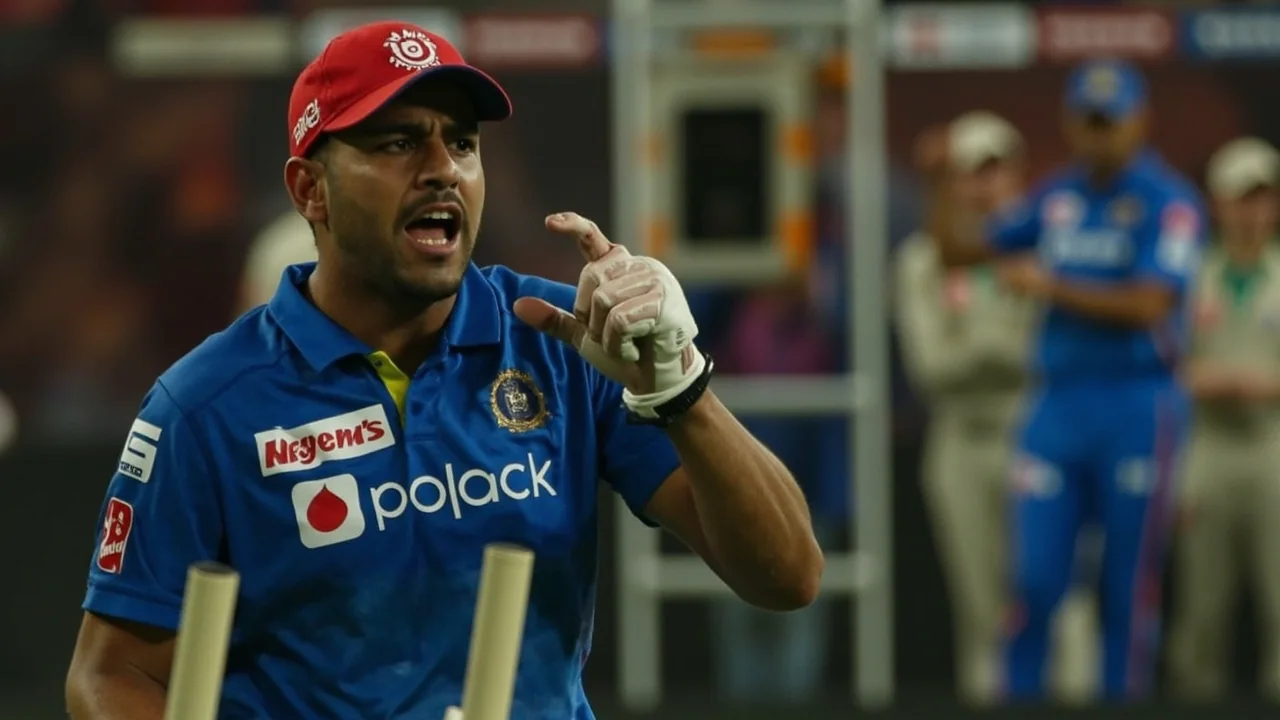
The lineup questions neither side had fully answered
Two questions sat unresolved in the predicted XIs. First, RR’s Shubham Dubey. He was listed at number seven in the predicted XI, but his powerplay hitting record and his strike rate against leg-spin had been inconsistent through the first ten games. If RR won the toss and chased, his role would be a finishing batter; if RR batted first, his role would be a containment batter. The management did not yet know which version of him to plan around.
Second, GT’s Manav Suthar. The young left-arm spinner was listed as the second specialist spinner alongside Rashid Khan, but the matchup against RR’s left-handed middle order (Jaiswal, Sooryavanshi, Dubey) was unusual for the franchise. GT had historically preferred a right-arm finger-spin option against left-handers, and Suthar’s selection suggested either a pitch read that favoured left-arm spin or a plan to use him as a matchup bowler against Parag and Jadeja.
Both lineup questions carried consequences for the impact-sub choice. If RR wanted batting depth in a chase, Shanaka came in for Deshpande. If GT wanted an extra spin option, Shahrukh Khan came in for Sindhu. The toss and the surface read would decide which of those impact-sub plans the franchises activated.
Broadcast and the in-stadia read
JioHotstar carried the live stream across India and the Star Sports Network carried the television broadcast. The pre-match build-up on Star Sports typically ran from 6:30 PM IST, with the toss broadcast at 7:00 PM IST and the first ball at 7:30 PM IST. The in-stadia gates at Sawai Mansingh opened at 4:30 PM IST, with the home crowd expected to fill the lower tier by mid-afternoon.
The Jaipur crowd tends to skew toward the home side, with the Rajasthan Royals’ fan base turning the upper tier pink for most home fixtures. The visiting support at Sawai Mansingh is typically modest, with the Gujarat Titans’ travelling fan contingent limited to a couple of thousand seats in the away end. The atmosphere read was a partisan home crowd, with the noise peaking in the batting powerplay and through the death overs.
Where this fixture sat in the broader IPL 2026 schedule
Match 55 of the regular season sat three weeks from the playoff cutoff. The IPL 2026 calendar moved into its closing stretch from 9 May, with each side playing three or four fixtures in the final stretch. The 12-point logjam at the top of the table meant that two or three results across this week could reshape the playoff race entirely.
For the broader IPL 2026 season, the RR-GT fixture sat as a hinge result. If RR won, the playoff top-four race tightened further with the home side moving closer to a guaranteed playoff slot. If GT won, the away side moved closer to a top-two finish and RR slipped into the middle of the top-six pack, where the playoff cutoff had historically been less forgiving.
The fixture also had implications for the bottom of the table. With two of the bottom-four sides playing each other in the same window, a result at Sawai Mansingh that went one way could push the bottom-four race toward a near-decision before the final week. That second-order effect is part of why this matchup had outsized weight on the league table beyond the two sides directly involved.
What the pre-match preview added up to
Two franchises, level on points, separated by net run rate, with four matches to play. A venue that has rewarded chasing across 66 matches. A head-to-head record that has rewarded the away side in the last three meetings. A toss that has historically gone to the side that bowls first. A bowling matchup that turned on three duels: Archer against Buttler, Rashid against Jadeja and Parag, Rabada against Jaiswal. A batting matchup that turned on whether RR’s powerplay could stay ahead of GT’s new-ball spell, and whether GT’s middle order could absorb Jadeja and Bishnoi through overs 7 to 15.
The pre-match dossier did not contain a result, a scorecard, or a Man of the Match. It contained the predicted XIs, the venue numbers, the head-to-head record, the toss timing, the broadcast detail, and the broadcast conditions. Those facts are the verified record that this retrospective is built on. The result of the 9 May fixture is what the Sporting News India page would have covered in its next-day recap, and it sits outside the pre-match briefing that fed this piece.
The wider read is that this was a fixture the league table had set up as a top-four decider. Both franchises knew it. Both captains would have gone into the toss with a clear plan. The 30 minutes between the toss and the first ball would have decided more than the playing XIs: they would have decided the chase-defend math that the Sawai Mansingh numbers have historically rewarded.
What the verified next data points were
The immediate next checkpoint was the toss at 7:00 PM IST on 9 May, then the first ball 30 minutes later. The next reading of the table would have come from the match result, with the side that won moving to 14 points and the side that lost staying on 12. The third checkpoint was the broadcast and in-stadia record of the dew window between overs 11 and 16, which would have told both franchises how their bowlers needed to adapt for the death overs.
For fantasy cricket readers tracking the IPL 2026 captain-pick maths, the fixture sat as one of the last regular-season tests of the RR top order against a pace-heavy attack. The captain-pick input from this fixture fed both the head-to-head database (the third straight RR-GT meeting, with GT looking for a fourth straight win) and the Sawai Mansingh venue database (the 67th IPL match at the ground, with the chase rate potentially shifting slightly with the result).
For more match previews and squad analysis as the IPL 2026 season closes, explore the latest IPL 2026 news and fixtures from the Come Sports India desk.
Frequently asked
When did Rajasthan Royals host Gujarat Titans in the 9 May 2026 fixture? The match was scheduled for Saturday, 9 May 2026, with first ball at 7:30 PM IST and the toss at 7:00 PM IST.
Where was the fixture played? Sawai Mansingh Stadium in Jaipur, with a 30,000 capacity and 66 previous IPL matches at the venue.
What was the table position going into the match? RR fourth and GT fifth, both on 12 points from 10 matches, both on six wins and four losses.
What was the predicted Rajasthan Royals XI? Yashasvi Jaiswal, Vaibhav Sooryavanshi, Dhruv Jurel (wk), Riyan Parag (c), Donovan Ferreira, Ravindra Jadeja, Shubham Dubey, Jofra Archer, Ravi Bishnoi, Nandre Burger, Brijesh Sharma, with Tushar Deshpande and Dasun Shanaka as impact subs.
What was the predicted Gujarat Titans XI? Shubman Gill (c), Sai Sudharshan, Jos Buttler (wk), Washington Sundar, Jason Holder, Rahul Tewatia, Rashid Khan, Arshad Khan, Kagiso Rabada, Mohammad Siraj, Manav Suthar, with Nishant Sindhu and Shahrukh Khan as impact subs.
What was the head-to-head record going in? GT had won six of nine previous meetings, RR three, with GT on a three-match winning run. GT’s highest total against RR was 217/6 and RR’s against GT was 212/2.
What were the key Sawai Mansingh numbers? 30,000 capacity, 66 IPL matches, 65.15% chase rate (43 wins vs 23 batting first), average first-innings score 167.38, average run rate 8.44, highest team total 229/5 by SRH in 2026, lowest 59/10 by RR in 2023.
What were the Dafabet odds at the time of the preview? RR at 1.77 and GT at 2.06, with the featured bet Sai Sudharshan over 30.5 runs at 1.87.
Where was the match broadcast? JioHotstar and the Star Sports Network.